Your insurer’s repairer or your own? How to choose after an accident
Understand your options before agreeing to a repair route. Whaley Bridge Accident Repair Centre can help you ask the right questions.
1 November 2026 · Updated 17 November 2026 · Matt Hall · 6 min read

After an accident, your insurer may suggest a repairer from its approved network. You can ask to use a repair centre you choose instead. But the terms of your insurance policy matter. Check them before authorising work.
Calling a repairer first can help you understand your options. At Whaley Bridge Accident Repair Centre, Phil can explain the repair route and help with insurer communication. You’ll know what to ask before you make decisions.
Can I choose my own accident repairer?
Your insurer can recommend a repairer, and you can ask to use a different one. There is no blanket rule requiring an insurer to pay any repairer on any terms. Check your policy’s conditions, any additional excess, courtesy-car cover and approval requirements, then ask your insurer to confirm the agreed arrangements in writing before repairs begin.
Those conditions could include an additional excess, limits on courtesy-car cover, or a requirement to get approval before repairs begin. The insurer may also want to inspect the vehicle or review an estimate first.
So, don’t assume that choosing your own repairer means your cover stays exactly the same. Ask your insurer to confirm the terms in writing before work starts.
The Financial Ombudsman Service explains how it considers disputes about motor insurance vehicle repairs. It looks at the policy and the circumstances of the claim, rather than applying one answer to every case.
Your claim route can affect your options
If you’re claiming under your own comprehensive policy, your policy wording is the starting point. Check any repairer conditions, excesses and courtesy-car terms.
A non-fault claim can follow a different route. You may be dealing with the at-fault driver’s insurer, or using your own insurer to handle the claim. The arrangements can vary. Ask who will authorise the repair, what costs they’ll cover and whether you need to follow any particular process. The Competition and Markets Authority’s private motor insurance investigation discusses repairer choice in non-fault claims.
Whichever route applies, get clear answers before you agree to repairs. If you’re unsure about a policy term or feel your insurer hasn’t dealt with your claim fairly, raise it with the insurer first. You can ask the Financial Ombudsman Service to consider a complaint if you can’t resolve it.
Call Phil first, then keep your insurer informed
After a collision, it’s useful to understand your options before your car is sent to a repairer. Call Phil before agreeing to an insurer-recommended repair route. WBARC can explain what information may be needed and help you discuss your choice with your insurer.
This doesn’t mean you should delay a notification your policy requires. Check your policy and report the incident within the time it specifies. If you’re not sure what to say, call Phil first for guidance, then notify your insurer promptly.
- Make sure everyone is safe. Call 999 if anyone is injured or there’s an immediate danger.
- Record the details. Take photos of the damage and scene if it’s safe. Exchange contact, vehicle and insurance details.
- Call WBARC. Speak to Phil about the damage and the repair options before agreeing to a repairer.
- Contact your insurer promptly. Tell them you want to use your chosen repairer and ask about any conditions.
- Wait for approval before repairs begin. Get the agreed repair route and payment arrangements in writing.
For more practical steps, see WBARC’s accident guide.
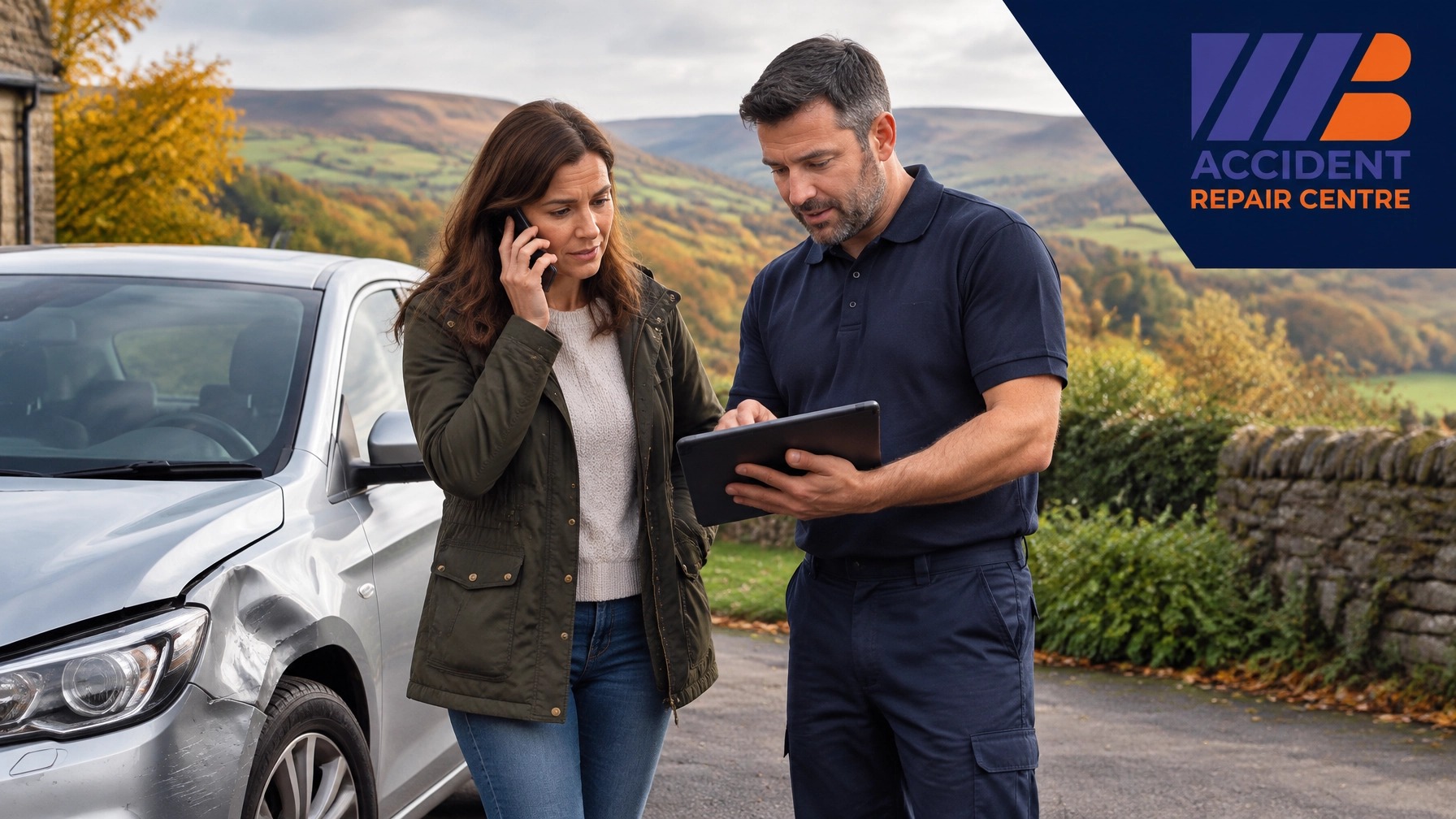
Questions to ask before authorising an accident repair
A short call with your insurer can clarify what your policy covers. Ask:
- Can I use Whaley Bridge Accident Repair Centre for this claim?
- Does choosing a repairer outside your network change my excess?
- Will I still have access to a courtesy car? Are there any conditions?
- Do you need to inspect the vehicle or approve an estimate before work begins?
- What amount will you pay towards the repair?
- Who should I contact if there’s a concern about the repair or its warranty?
- Can you confirm the agreed arrangements in writing?
Keep a note of the answers, including the date, the person you spoke to and any claim reference. If the insurer gives you a verbal answer, ask them to confirm it by email or letter.
Why your choice of repairer matters
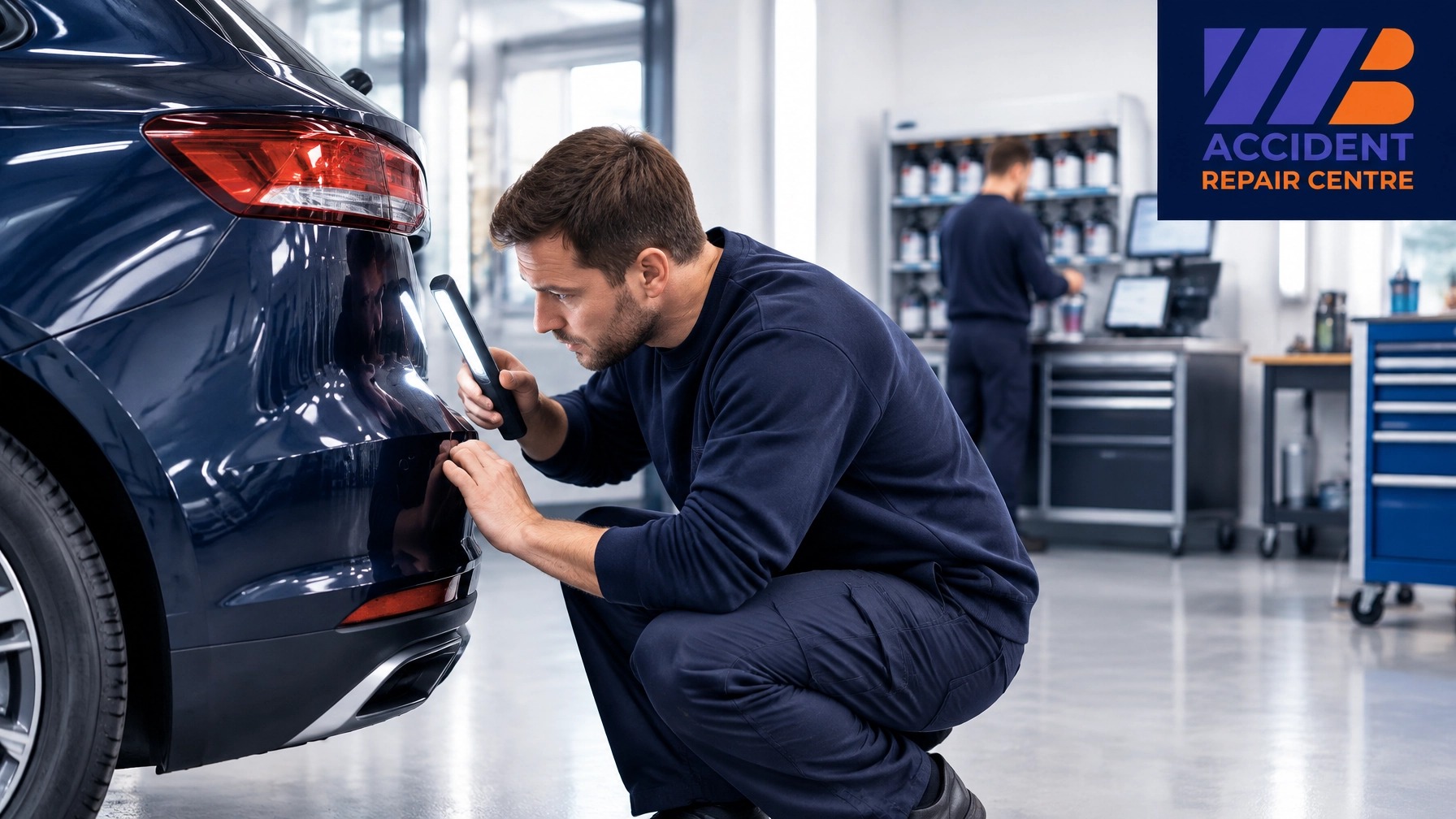
An accident repair isn’t only about making visible damage look right. The repair method, parts and checks should suit the vehicle and the damage.
WBARC is a BSi Kitemark-certified bodyshop working to BS 10125. The centre holds manufacturer approvals for Audi, Volkswagen, SEAT, Škoda, CUPRA, Peugeot, Citroën, Vauxhall, Fiat, Nissan, Suzuki, Subaru and Isuzu. Where required for the repair, the team follows relevant manufacturer methods and uses genuine OEM parts.
Paint refinishing uses waterborne technology. WBARC offers a lifetime workmanship guarantee. Ask for the terms that apply to your repair, and check that the proposed work and parts are clearly explained.
Insurer-network repairers can also carry out good work. The important thing is to understand who’ll repair your car, what standards and parts apply, and what the insurer will cover. Find out more about WBARC’s manufacturer approvals and repair process.
How WBARC can help with your claim
Once you’ve chosen WBARC and checked the claim conditions, the team can guide you through the next steps. They can assess the damage, prepare information for the insurer and communicate with the insurer or its engineer where authorised.
You’ll receive updates as the repair progresses. WBARC offers free collection and delivery and free courtesy cars. These arrangements depend on the claim route, eligibility and availability, so ask Phil what applies to your situation before booking.
If the vehicle needs more than a visible-damage assessment, the team will explain what needs checking before confirming the repair plan. You can also try the free AI Estimator for an initial guide. It is not a confirmed repair quote or insurer approval.
Local support across the High Peak and Greater Manchester
WBARC is based in Furness Vale and supports drivers in Whaley Bridge, Buxton, Stockport, New Mills, Chapel-en-le-Frith, Macclesfield, Glossop and nearby areas across the High Peak and Greater Manchester.
If you’ve had an accident, call the 24/7 Accident Line on 0800 7 999 629. You can speak to Phil about your repair options before you agree to a repairer. If you’ve already contacted your insurer, that’s fine. Call to discuss what happens next and what you should confirm before repairs begin.

Make an informed choice. Call Phil first.
Your insurer may recommend a repairer, but you can ask about using one you choose. The terms of your policy and the claim route can affect the costs and support available. Check these details before authorising work, and ask for the agreement in writing.
General repair and insurance information, not individual legal advice. Your policy and agreed claim arrangements determine your cover.